Savvy Buyer’s Guide to the Wailea Makena Condo Market
February 5, 2026
February 5, 2026
If you are drawn to South Maui and want a smart, grounded way to evaluate condos in Wailea and Makena, you are in the right place. You might be balancing lifestyle goals with rental potential, or simply looking for a low‑stress second home. In this guide, you will learn how the market works, what to expect at each budget tier, how to evaluate rental rules and carrying costs, and how to quantify view and amenity premiums. Let’s dive in.
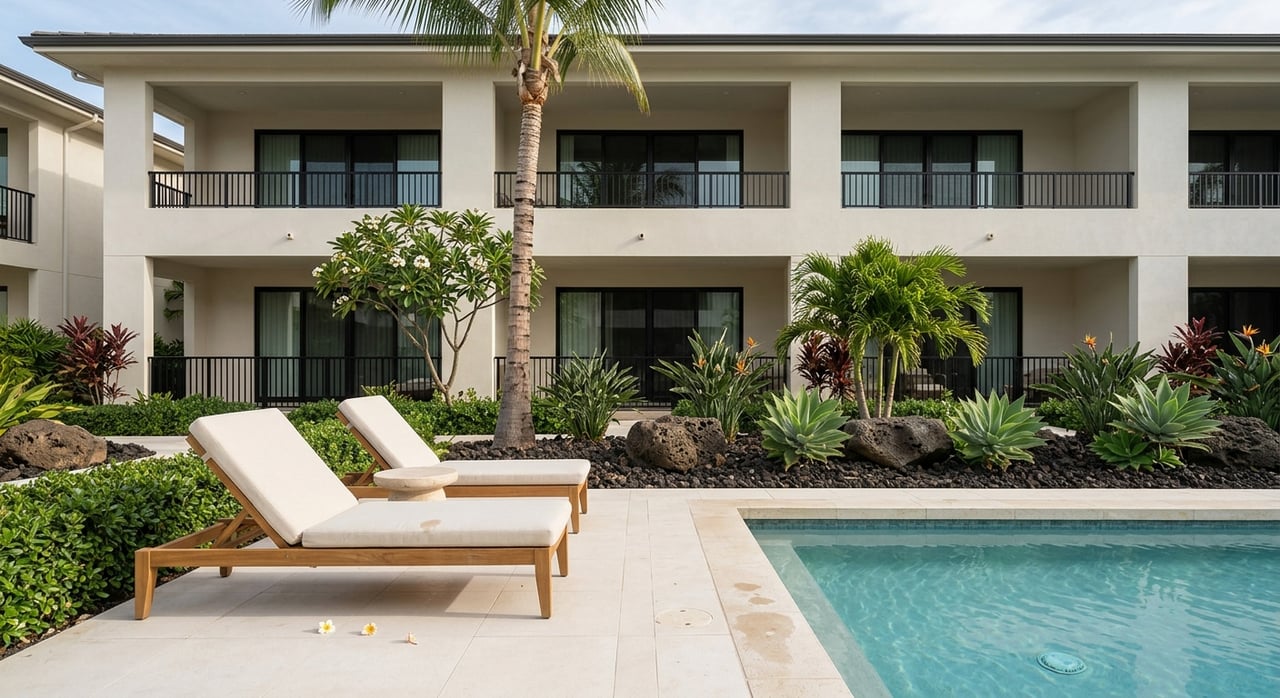
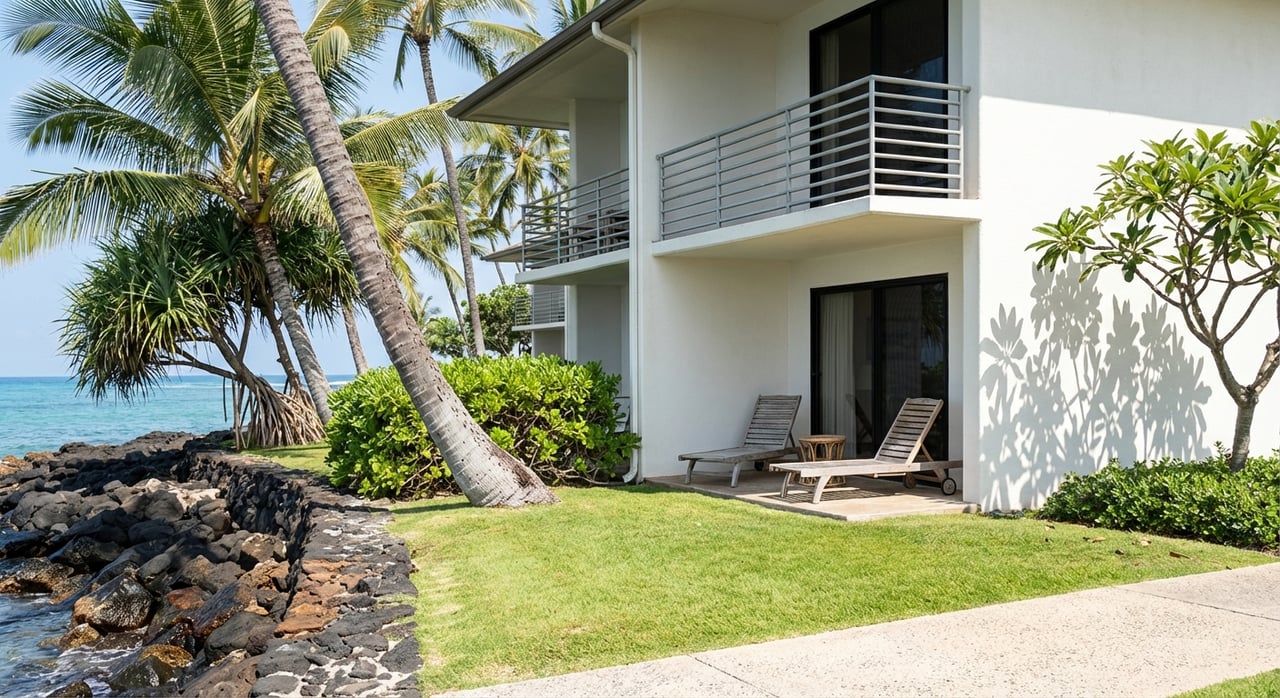
Wailea–Makena is a master‑planned resort area known for high‑end condos, villas, and beachfront access. It generally trades at a premium to more mass‑market South Maui neighborhoods due to location, resort amenities, golf, and proximity to the ocean. Inventory is often tight, with winter months seeing more buyer activity and strong visitor demand for rental‑friendly properties.
You will see three main buyer profiles here: second‑home owner‑users, short‑term rental investors, and local residents upgrading lifestyle. Your priorities might be privacy and finishes, rental program terms and net yield, or a balanced option that does both reasonably well.
Exact price bands change quickly, so compare recent closed sales before you decide. Here is what each tier usually looks like:
Wailea offers the widest variety of resort condos and amenity levels, along with on‑site services that appeal to both owner‑users and investors. Makena tends to feel more secluded, with fewer condo options but some very high‑end oceanfront product. If you value privacy and exclusivity, Makena may fit. If you want more choice, services, and rental program options, Wailea usually delivers.
Market conditions shift with interest rates, travel trends, and policy changes. Before you buy, review recent MLS reports for median price, days on market, months of supply, and sales‑to‑list ratios. Cross‑check broader trends with reputable Hawaii economic briefs. Maui also saw local impacts from the 2023 wildfires that influenced insurance and visitor patterns. A current, hyperlocal snapshot will help you decide on timing and offer strategy.
Short‑term rental rules vary by zoning, complex, and use type. Some communities allow nightly rentals and even offer on‑site programs. Others restrict rentals or require longer minimum stays.
Create a rental compliance checklist:
If rental income matters to you, build these rules into your evaluation from the start. A condo that looks similar on paper can have very different revenue potential depending on its CC&Rs.
HOA fees typically cover landscaping, pool and common area maintenance, association insurance, water, waste, security, and reserves. Some associations include cable or internet. Review recent budgets and reserve studies to evaluate health and capital planning.
Watch for the following:
A clear view of total carrying costs will keep your pro forma realistic.
Coastal Hawaii properties can carry higher insurance costs. Underwriting has evolved in recent years, so pricing and availability may differ by complex and hazard exposure.
Check these risk factors for each property:
Confirm lender insurance requirements before you write an offer. If a property falls within a higher‑risk zone, adjust your operating budget accordingly.
Financing options depend on your use case and the project’s approval status. Lenders often require larger down payments for investment properties, and specific condo projects may influence loan programs. If you plan to use FHA or VA financing, verify project approval early. Strong pre‑approval and familiarity with the project’s status will streamline your offer.
View and direct beach access tend to drive the largest premiums in resort markets. Instead of relying on rules of thumb, use a simple and repeatable method.
A practical approach:
This method lets you quantify what you are paying for, rather than guessing.
If rentals are part of your plan, build a bottom‑up model. You can source nightly rates, occupancy, and RevPAR estimates from reputable short‑term rental data providers or local property managers.
Follow these steps:
Keep your expectations conservative. A strong unit with clear views, beach access, and a guest‑friendly layout often delivers more consistent demand.
South Maui demand often rises in winter. For investors, that can support higher seasonal rates. For buyers, it can mean more competition at certain times of the year. Review 12 months of closed sales and current inventory to plan your search and offer timing.
Use this list to stay organized:
You deserve precise, practical advice that fits your goals. We specialize in Wailea and Makena condos, blending hands‑on short‑term rental experience with a clear valuation approach. We help you quantify view and amenity premiums, verify rental rules, and build a realistic operating budget so you can buy with confidence.
When you are ready, we can walk you through recent closed sales in your target complexes, highlight hidden value plays, and set you up with local property managers and lenders who understand these projects.
Ready to explore the market, build a data‑driven plan, and see the best opportunities in Wailea–Makena today? Connect with Cory Mckim for a friendly, focused strategy session.
Stay up to date on the latest real estate trends.
We pride ourselves in providing personalized solutions that bring our clients closer to their dream properties and enhance their long-term wealth.