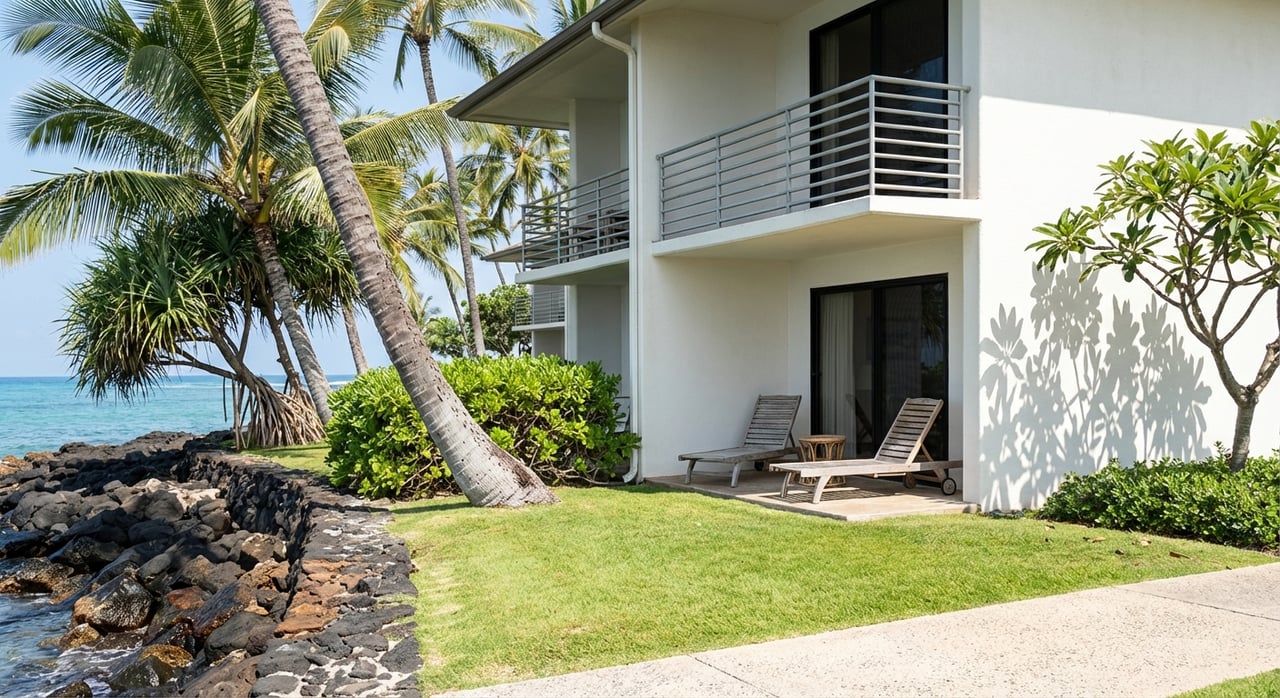
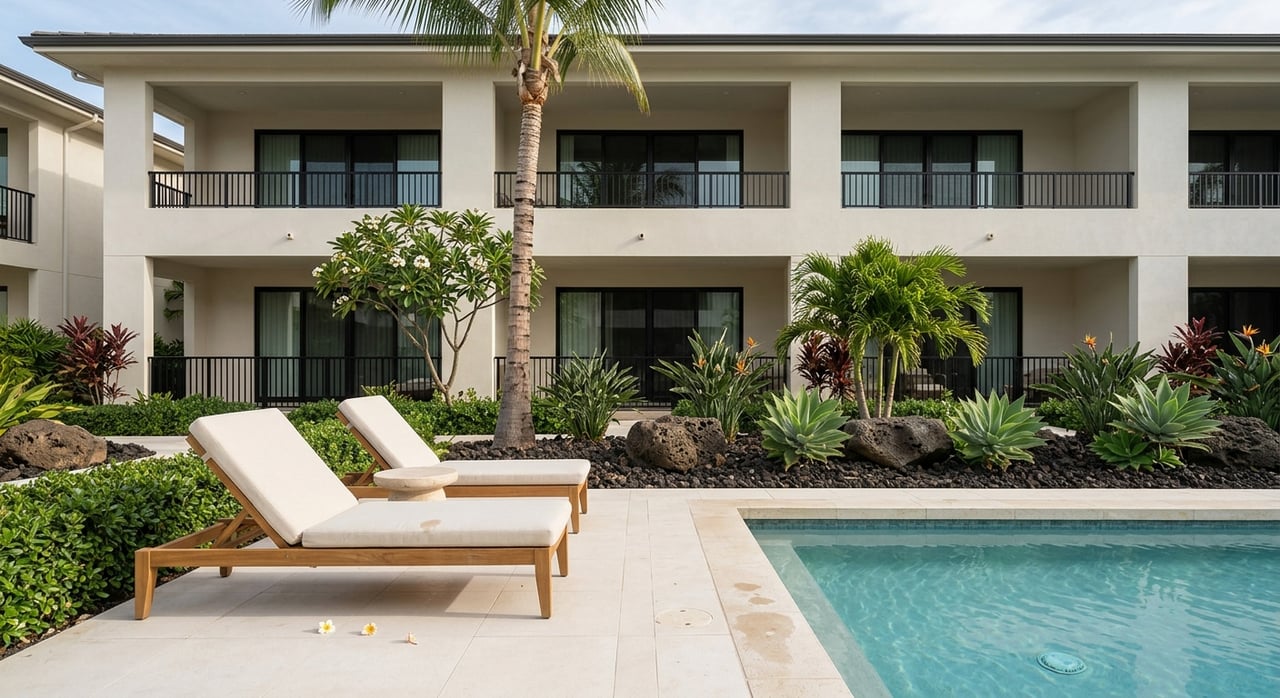
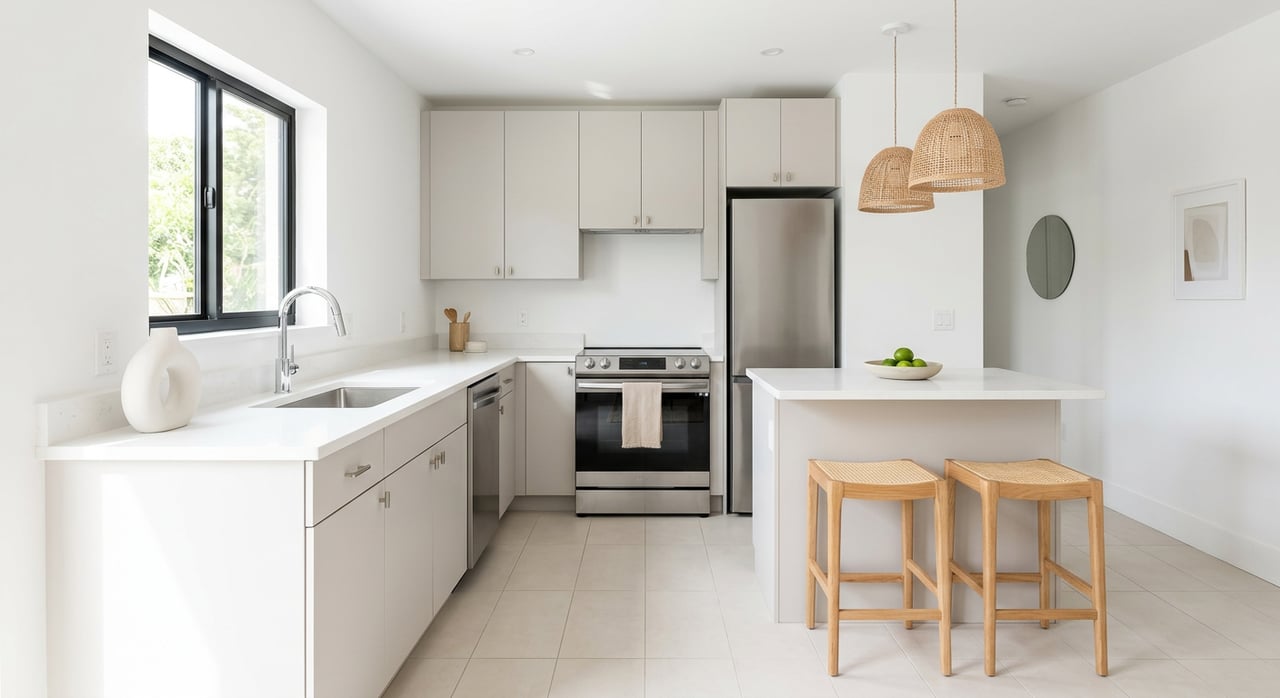
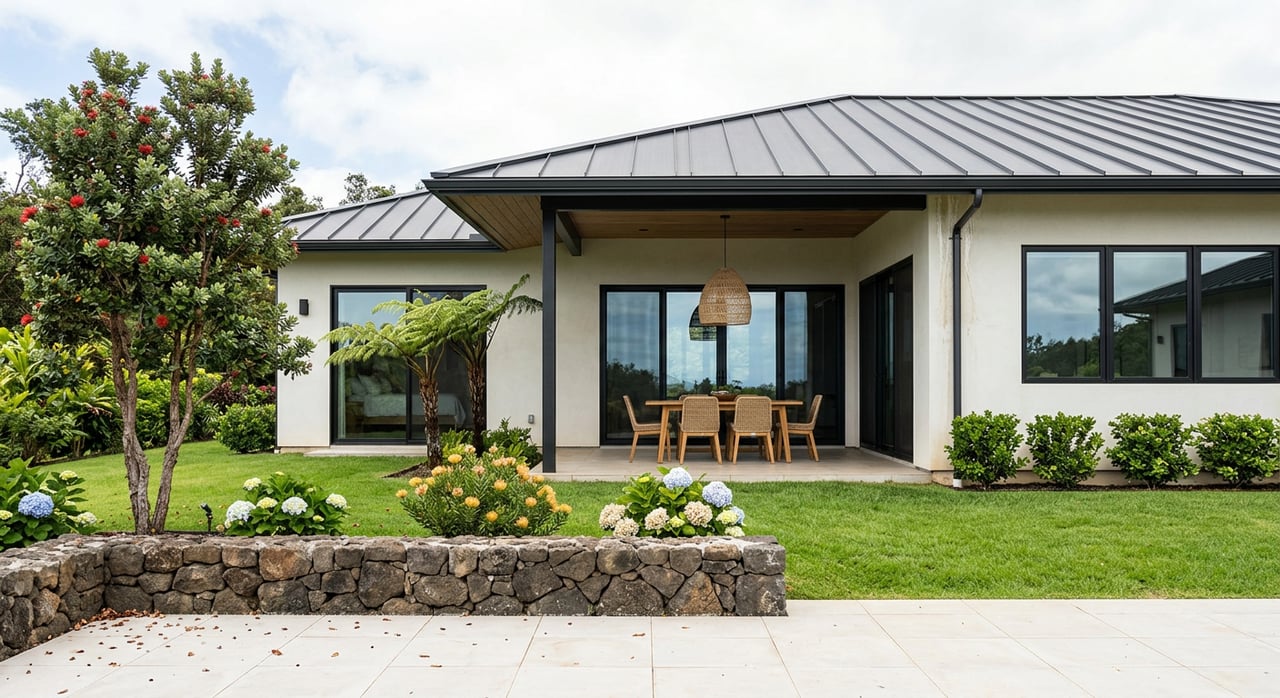
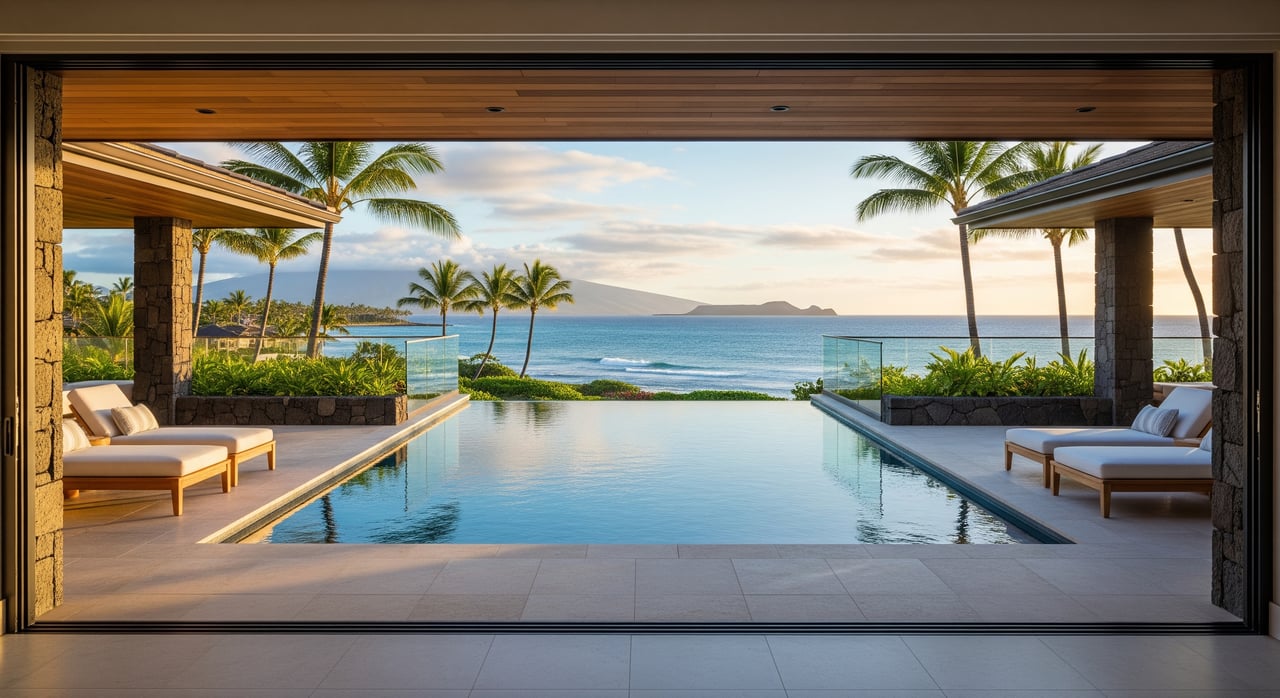
You want ocean views, whale songs in winter, and a place that can help pay for itself. The question is simple: does a Maalaea oceanfront condo in 96753 make sense as an investment right now? You’re weighing purchase price, rental demand, taxes, and new rules that can change your plan. In this guide, you’ll get clear numbers, the regulatory landscape, and a practical checklist tailored to Maalaea so you can decide with confidence. Let’s dive in.
Market snapshot: 96753 and Maalaea
At the ZIP level, 96753 is a high‑value market with median home values around the low $1 million range. Inside that, Maalaea is a smaller submarket with a tight set of oceanfront and near‑harbor condo buildings. Prices vary widely by complex, view, condition, and land tenure.
Expect a broad range. Recent examples show smaller 1‑bedroom oceanfront units trading in the mid‑$600,000s, while hotel‑zoned resort units can run well above $1.4 million. Monthly HOA dues also span a wide spectrum, from several hundred dollars to well over $1,400 depending on the building, amenities, and reserves. Some Maalaea buildings are leasehold rather than fee simple, which changes long‑term value and financing considerations.
What drives the spread in Maalaea pricing and performance:
- Oceanfront vs ocean‑view vs inland location.
- Zoning type (hotel/resort vs apartment) and STR permissibility.
- Land tenure (fee simple vs leasehold).
- Unit size, condition, and finishes.
- HOA amenities, reserves, and insurance allocations.
Bottom line: always request the HOA budget, reserve study, meeting minutes, and insurance summary before you underwrite a purchase.
Rental demand and seasonality in Maalaea/Kihei
Short‑term rental demand across the Kihei trade area, which includes Maalaea, is strong but seasonal. According to AirDNA’s Kihei market overview, the market averages about 63% occupancy, an ADR near $465, and RevPAR around $290 per day. Actual performance still hinges on your exact unit’s bedroom count, oceanfront exposure, finishes, and how it is managed.
Tourism cycles matter. Maui’s visitor counts typically peak in winter during whale season and have a solid summer shoulder. You can see the monthly cadence in the Hawai‘i Tourism Authority’s statistics. Maalaea’s demand drivers are consistent: proximity to the harbor for Molokini and whale‑watching trips, the Maui Ocean Center, and central access between Kahului and South Maui resorts. These factors help create steady bookings from families and excursion‑oriented travelers.
What returns look like today
Let’s frame two conservative, illustrative scenarios using market‑level data points and typical operating assumptions. Your mileage will vary at the unit level.
Example A: 1‑bedroom, hotel‑zoned oceanfront resort unit at about $1,425,000.
- Using market RevPAR around $290/day from AirDNA implies gross revenue near $106,000/year if achieved consistently.
- Common expense inputs: management ~25% of gross; cleaning/linen ~6%; maintenance reserve 5%; utilities 2%; individual insurance estimate; and HOA around the high‑$1,400s per month for this profile.
- Result: an illustrative pre‑finance NOI near $42,000/year, or a pre‑finance cap rate around 3%.
Example B: smaller 1‑bedroom oceanfront unit around $650,000.
- Using a conservative market “annual revenue” benchmark of about $60,000 for smaller Kihei‑area listings.
- Expense inputs: management ~25%; cleaning ~6%; maintenance 5%; utilities 2%; individual insurance; HOA in the mid‑$600s per month.
- Result: an illustrative pre‑finance NOI around $25,000–$30,000, or a pre‑finance cap rate near 4%.
These ranges are sensitive to purchase price, ADR, occupancy, HOA dues, cleaning frequency, insurance, and taxes. For any specific condo, run a unit‑level AirDNA report, pull an owner ledger if available, and underwrite with real operating quotes.
Taxes and fees that change your net
Hawai‘i’s lodging and business taxes have a direct impact on your bottom line and on guest pricing.
- Transient Accommodations Tax (TAT): The state portion increases to 11% on Jan 1, 2026 under the climate “Green Fee.” See the state announcement for details on timing in the Governor’s release.
- Maui County TAT (MCTAT): Maui adds a 3% county TAT on top of the state TAT. For county guidance, review the Maui County TAT page.
- General Excise Tax (GET): Hawai‘i’s GET applies to gross business receipts, typically ~4% plus any county surcharge. Maui has adopted a county GET surcharge. Read more at the Department of Taxation’s surcharge page.
When you model net revenue, include TAT, MCTAT, and GET, as well as credit card fees and platform commissions, in your pro forma. Also confirm the property’s tax classification with Maui County, since rate bands differ based on use. Maui County provides resources on zoning and tax matters via the Planning Department.
Insurance is another line item to watch. Post‑2023 wildfire litigation has influenced pricing and availability for owners and for condo master policies. Before you finalize numbers, request the building’s master policy details and obtain owner liability and contents quotes. For context on the evolving insurance environment, see reporting from Civil Beat.
Regulatory watch: Bill 9 and zoning
Maui County adopted Ordinance 5909, known as Bill 9, to phase out many short‑term rentals operating in apartment‑zoned districts. Enforcement is phased by area, and legal challenges are in process. Properties that are hotel or resort zoned are not subject to the apartment‑zoning phase‑out. That zoning distinction is critical if you want to maintain STR use long term.
For any Maalaea candidate, confirm TMK‑level zoning and whether the unit appears on a county STR or “Minatoya” list. The County Planning Department provides updates and contacts for verification.
Pros and cons: Maalaea vs other South Maui options
Advantages of Maalaea oceanfront condos:
- Central, convenient location near the harbor, aquarium, and highways to both Kahului and Wailea. See the visitor draw at the Maui Ocean Center.
- Low‑density, oceanfront settings that appeal to repeat guests who come for snorkeling and whale season.
- Availability of hotel‑zoned complexes in the mix, which reduces exposure to Bill 9 compared with apartment‑zoned STRs.
Tradeoffs to consider:
- Many buildings are older, with varied reserves and occasional capital assessments. Diligence on HOA finances and insurance allocations is essential.
- ADRs and guest profiles tend to be lower than luxury Wailea resorts, which often command higher rates but require much larger capital outlays.
- STR yields are highly sensitive to HOA dues, management fees, lodging taxes, and insurance, which can compress net income versus headline ADR.
How to choose the right Maalaea unit
Use this investor‑focused checklist before you write an offer:
- Verify zoning and permit status. Confirm hotel/resort vs apartment zoning and whether the unit appears on any county STR or Minatoya‑style list with the Maui County Planning Department.
- Review HOA documents. Request the budget, reserve study, current assessments, STR rules, and master insurance policy. Clarify deductibles and what the master covers versus the unit owner.
- Confirm land tenure. If leasehold, read the ground lease for escalations, renegotiation, and expiration terms. Compare total cost of ownership over the lease horizon to a fee simple option.
- Run unit‑level STR comps. Order a focused set of comps or a MarketMinder report for the exact building and bedroom count via AirDNA. Align amenities and view when comparing.
- Price insurance risk. Get updated quotes for owner policies and ask the HOA or master carrier about premium trends and deductibles. For context on market dynamics, see Civil Beat’s reporting.
- Model taxes correctly. Build state TAT at 11% starting Jan 1, 2026, add Maui’s 3% county TAT, and include GET and any county surcharge. Guidance is available from the Governor’s office, Maui County, and the Department of Taxation.
- Interview local managers. Ask for seasonal occupancy patterns, fee schedules, housekeeping workflows, and example owner statements. AirDNA’s manager views can help you map the local landscape in Kihei/Maalaea.
Who a Maalaea strategy fits
You value a quiet, central oceanfront base with easy access to the harbor and island activities. You prefer low‑density buildings over large resort campuses. You plan for a blend of personal use and bookings, and you are comfortable with pre‑finance cap rates in the low single digits that may be offset by owner usage, depreciation, and long‑term appreciation potential.
If your priority is top‑tier ADR, premium amenities, and a luxury brand experience, Wailea likely better matches your guest profile, though entry costs are higher. If you want more affordable oceanfront ownership with steady, excursion‑driven demand, Maalaea deserves a close look.
Next steps in 96753
- Shortlist two or three buildings that match your budget, view priorities, and zoning goals.
- Run unit‑level revenue comps and gather HOA, insurance, and tax details.
- Build a conservative pro forma with realistic management, cleaning, and tax inputs.
- Confirm zoning and Bill 9 exposure with the County, then structure your offer with these risks in mind.
Ready to evaluate a specific condo or compare Maalaea with Kihei and Wailea options? Reach out for a unit‑level analysis, introductions to local managers, and a clear path from underwriting to closing. Connect with Cory Mckim for a focused consultation tailored to your goals in 96753.
FAQs
What are typical STR occupancy and rates in Kihei/Maalaea?
- AirDNA’s Kihei market data shows about 63% occupancy, an average daily rate near $465, and RevPAR around $290, with unit‑level results varying by view, size, and finish.
How do Maui lodging taxes impact a Maalaea condo’s net income?
- Model state TAT at 11% starting Jan 1, 2026 plus Maui’s 3% county TAT, and include Hawai‘i GET (about 4% plus Maui’s surcharge) when calculating your take‑home revenue; see guidance from the Governor’s office, Maui County, and Hawai‘i Taxation.
What is Bill 9 and how could it affect Maalaea short‑term rentals?
- Ordinance 5909 (Bill 9) phases out many TVRs in apartment‑zoned districts; hotel/resort‑zoned properties are not subject to that phase‑out, so verify your unit’s zoning and STR status with the Maui County Planning Department.
Are leasehold Maalaea condos a good choice for investors?
- Leasehold units can offer lower purchase prices but include ground lease escalations and expiration risk; review the lease terms, compare total cost of ownership to fee simple, and factor resale implications into your plan.
What cap rates should I expect for Maalaea oceanfront condos?
- Illustrative pro formas suggest pre‑finance cap rates around 3% to 4% depending on purchase price, HOA dues, ADR, occupancy, and insurance; confirm with unit‑level data from sources like AirDNA.
How are insurance costs trending for Maui condo investors?
- Premiums and coverage have been shifting since the 2023 wildfires; obtain current master policy details and owner quotes, and review market context from outlets like Civil Beat.