Kahana Resort Condos: What Out-Of-State Investors Should Know
July 23, 2026
July 23, 2026
If you live on the mainland, it is easy to look at a Kahana condo listing and assume the investment story is simple: oceanfront location, vacation appeal, and strong rental demand. In reality, Kahana is one of those Maui condo markets where the details matter more than the postcard view. If you are considering a purchase here, understanding zoning, rental status, HOA health, and shoreline risk can help you avoid expensive surprises. Let’s dive in.
Kahana sits on West Maui between Kaʻanapali and Kapalua and is often seen as a quieter, lower-density option than the larger nearby resort areas. For many out-of-state buyers, that creates immediate appeal. You may find a more relaxed setting, a wide mix of condo projects, and a product type that feels less like a large hotel environment.
Kahana’s condo inventory includes small oceanfront buildings, mid-sized beachfront compounds, and larger resort-condo projects. Examples in the area include Kahana Reef, Kahana Village, Kahana Outrigger, Royal Kahana, Kahana Sunset, Makani Sands, and Nohonani. That variety gives buyers more choices, but it also means you should treat each property as its own investment case.
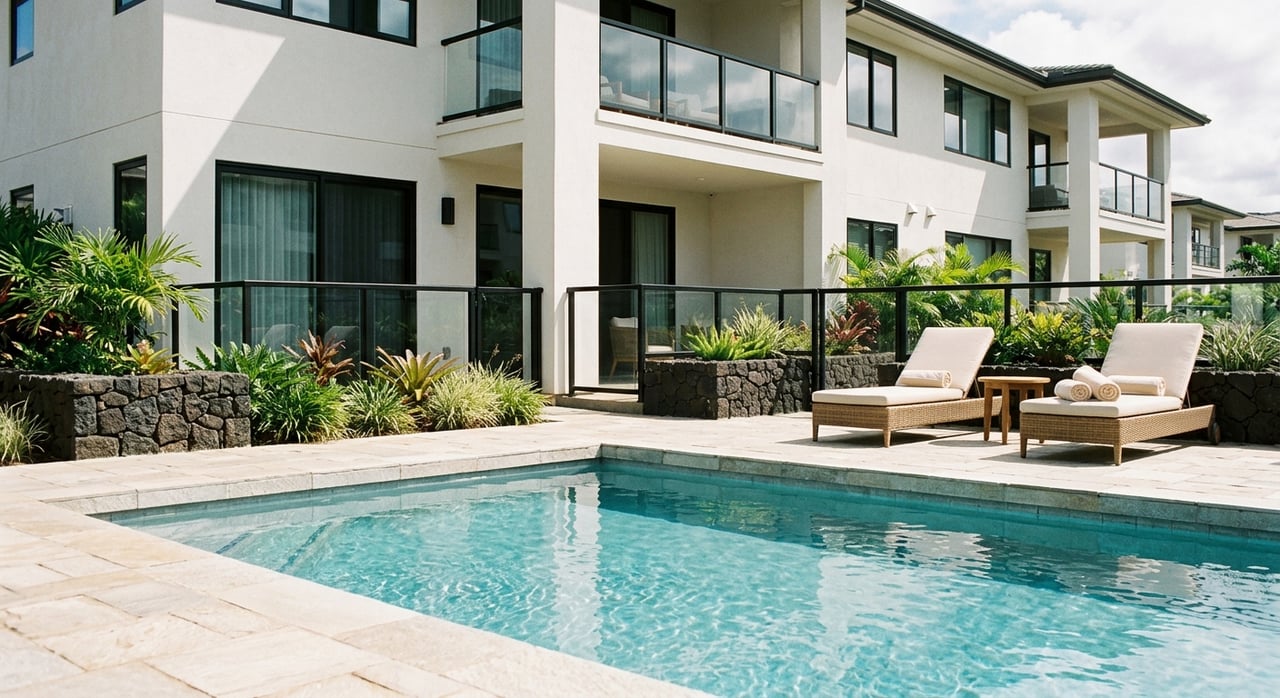
One of the biggest things to understand is that Kahana is not a single uniform resort zone. Some buildings are small, low-rise oceanfront projects with limited amenities. Others operate more like resort properties, with features that may include pools, fitness areas, on-site support, or concierge-style services.
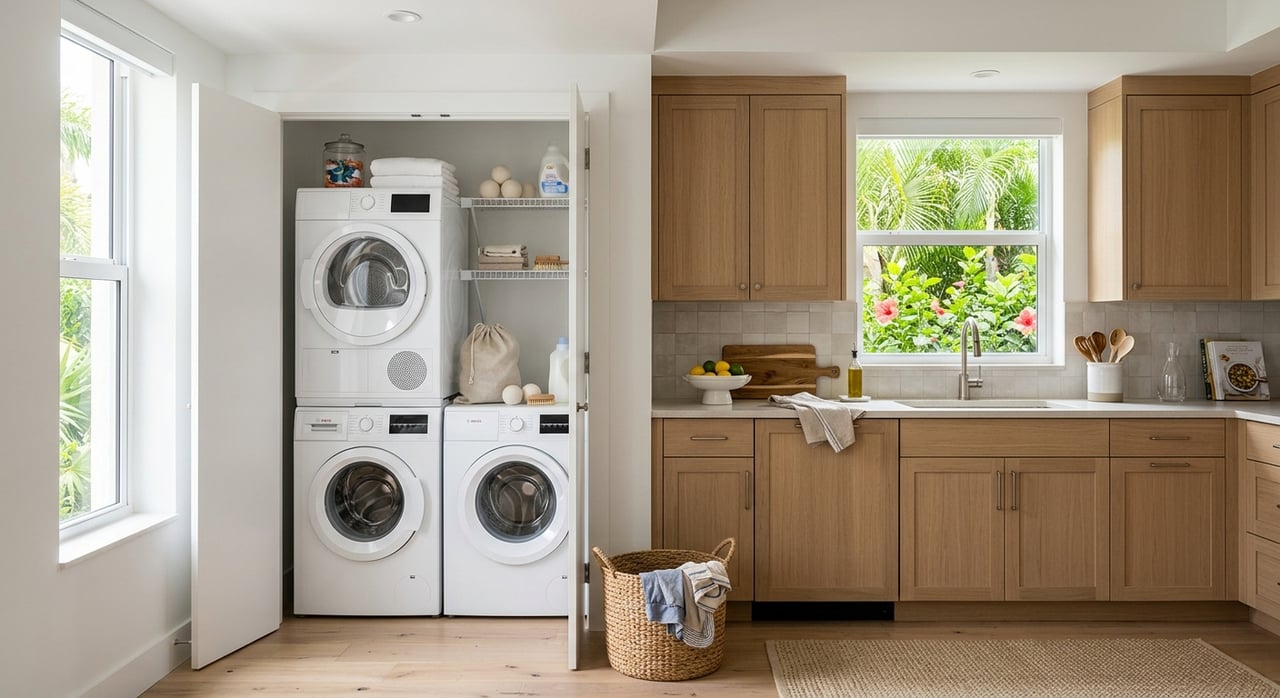
Across the submarket, common amenities often include full kitchens, private lanais, washer and dryer setups, parking, pool access, BBQ areas, and direct or near-direct beach access. That is attractive for both personal use and rental appeal. Still, the presence of amenities alone does not tell you how a condo can legally be used.
You will generally see three broad categories of condo stock in Kahana:
For an investor, that difference matters because property operations, HOA structure, and guest expectations can vary quite a bit from one project to the next.
If you are buying from out of state, this is the issue to take most seriously. Kahana has long been associated with vacation-rental condos, but you should not assume every condo in the area has the same short-term rental rights today or in the future.
Maui County’s June 27, 2024 short-term-occupancy list included several Kahana properties such as Kahana Reef, Kahana Outrigger, Kahana Village, Kahana Sunset, Makani Sands, Nohonani, and Royal Kahana. But the county also states clearly that the list does not grant entitlement, and buyers should confirm status with the Department of Planning.
Maui County’s Bill 9, adopted as Ordinance 5909 and signed into law on December 15, 2025, changed the legal outlook for many apartment-district transient vacation rentals. Under the ordinance, transient vacation rentals in apartment districts are set to phase out in the West Maui community plan area by December 31, 2028, with those uses ceasing legally on January 1, 2029.
That is a major point for Kahana buyers because several projects commonly marketed as resort condos are apartment-district properties. The takeaway is simple: rental use is now a zoning-and-project-document question, not a blanket assumption.
Some Kahana properties may have a different legal basis for short-term use, while others may be exposed to the apartment-district phase-out. For example, Royal Kahana appears on the county list as H-2 resort-hotel zoning, which is a different legal category than apartment-zoned inventory.
Before you make an offer, verify:
For mainland investors, Maui ownership is rarely a set-it-and-forget-it situation. If your condo will be used as a short-term rental, you need to understand Hawaii’s layered tax and registration requirements from the start.
According to the Hawaii Department of Taxation, short-term rentals are generally subject to state general excise tax, state transient accommodations tax, and Maui County’s county transient accommodations tax. Beginning January 1, 2026, the state TAT rate is 11%. Maui County’s MCTAT rate is 3%, and Maui County’s GET surcharge brings the visible pass-on GET rate to 4.7120% if the business chooses to pass it on.
The state says short-term rental operators must register for GET and TAT and file periodic and annual returns. Hawaii law also requires registration information and a local contact’s name, phone number, and email to be conspicuously displayed, and that same information must appear in advertisements or be provided before the stay.
Maui County also requires electronic RCA-1 reporting for third-party rent collectors, including property managers acting as rent collectors. If you live off-island, that makes your management setup more than a convenience issue. It becomes part of your compliance plan.
In Kahana, the condo association can have a major impact on your ownership experience and your future costs. A beautiful unit in a struggling building can become expensive very quickly. That is why condo due diligence is not a side task here.
The Hawaii Real Estate Commission’s condo buyer checklist recommends reviewing the declaration, bylaws, house rules, current budget, reserve study, insurance, board minutes, special assessments, lawsuits, delinquencies, and capital improvement history. Those documents can tell you a lot about how a project is run and what future expenses may be coming.
Pay close attention to these items:
Reserve funds are especially important because they are intended to cover future big-ticket repairs like roofs, elevators, and common systems. If reserves are weak, owners may face larger special assessments or delayed repairs.
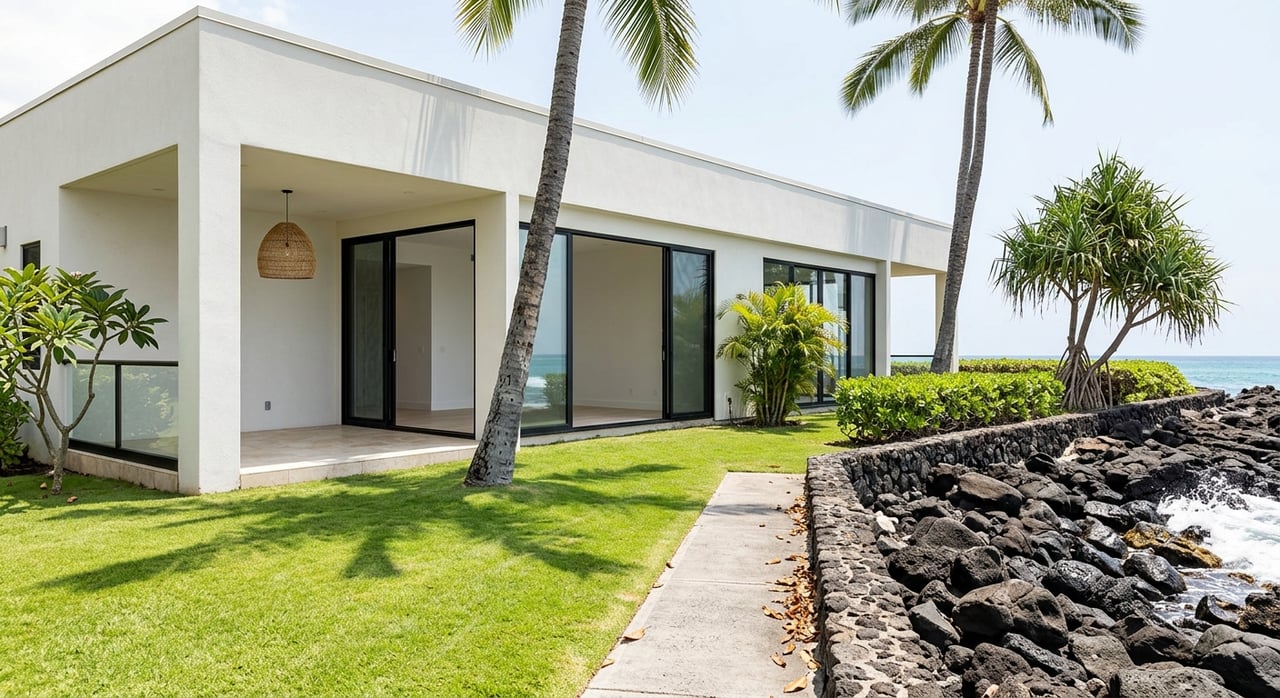
Oceanfront appeal is part of what draws people to Kahana, but shoreline location can also bring added risk and cost. Kahana Bay has a documented history of shoreline erosion and shoreline armoring. A Maui County and state resolution noted serious erosion problems along Kahana Beach and cited an approximate long-term erosion rate of 0.8 feet per year.
A separate state environmental document notes existing seawalls fronting several Kahana-area properties, including Kahana Reef. For you as an investor, this is not just an environmental footnote. It can affect reserve planning, insurance, maintenance expectations, and the long-term ownership picture.
When reviewing an oceanfront Kahana condo, ask about:
Kahana often appeals to buyers who want a different feel than Kaʻanapali or Kapalua. In general, it is smaller in scale and can feel more self-contained. Many projects are lower-rise and more individually managed than the larger branded resort environments nearby.
Compared with Kaʻanapali, Kahana may offer a quieter, less hotel-driven ownership experience. Compared with Kapalua, it can feel like a lower-friction entry point for buyers who want beachfront condo inventory without as much resort layering. The tradeoff is that project-level diligence becomes even more important.
If you are serious about buying a Kahana resort condo from out of state, keep your due diligence focused on the issues that most affect legal use and long-term cost.
Kahana can still be a compelling West Maui condo market for out-of-state buyers. You may find strong vacation appeal, oceanfront inventory, and a quieter setting than some of Maui’s larger resort districts. But this is not a market where you want to buy based on photos, amenities, or rental history alone.
The smartest approach is to treat Kahana as a project-by-project market. Zoning, future rentability, HOA reserves, insurance, and shoreline exposure all deserve the same attention as the view and location. If you want help sorting through those details before you buy, Cory Mckim can help you evaluate Maui condo opportunities with practical, locally grounded guidance.
Stay up to date on the latest real estate trends.

We pride ourselves in providing personalized solutions that bring our clients closer to their dream properties and enhance their long-term wealth.