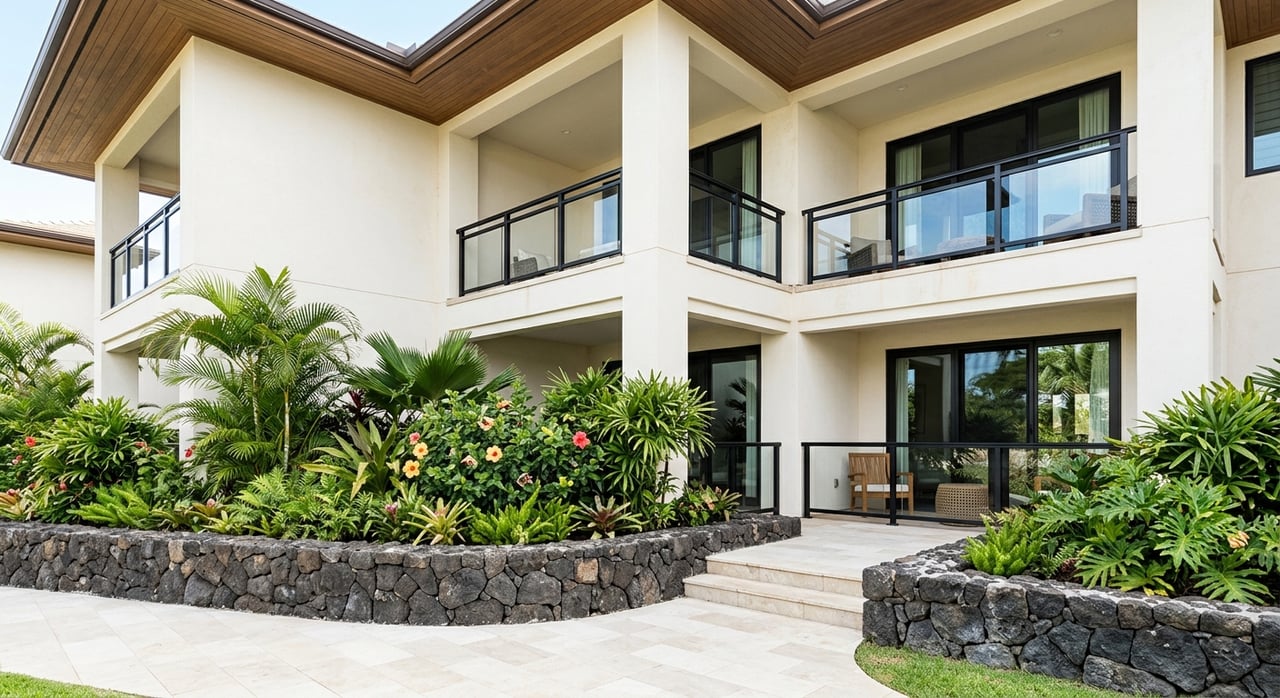
West Maui Resort Condo Market Opportunities in Kapalua
May 14, 2026
May 14, 2026
If you are watching West Maui resort condos right now, you are probably noticing two things at once: there is opportunity, and there is a lot more to sort through than there used to be. In Kapalua especially, the story is not just about beautiful units and ocean views. It is also about pricing, limited inventory, rental rules, and building-level details that can shape long-term value. This guide will help you understand what is happening, how Kapalua compares with other Maui condo markets, and what to look at before you make a move. Let’s dive in.
West Maui’s condo market is active, but it is more selective than it was during the peak years. Maui County reported 70 condo sales in April 2026, with a median sales price of $651,250, an average of 169 days on market, and 944 active condo listings. That equals about a 15.4-month supply, which points to a market where buyers have more time and more choices than they did in tighter conditions.
That headline number only tells part of the story. Resort condo opportunities vary sharply by submarket, price point, and rental posture. For buyers looking at Kapalua, that matters because you are shopping in one of the smallest and most premium slices of the broader Maui condo market.
Kapalua is a scarcity-driven market. Current listing snapshots show about 59 Kapalua condo listings, with asking prices commonly starting in the low $1 millions and reaching nearly $8 million. That is a much smaller and more premium pool than other comparison areas on Maui.
In practical terms, fewer available units often means fewer true substitutes. If you are comparing condos in Kapalua, details like view orientation, building condition, interior quality, and rental status can carry extra weight. In a limited-inventory market, the right unit can stand apart quickly, but the wrong assumptions can also become expensive.
Kapalua also sits in a resort corridor that remains important to Maui’s visitor economy. The 2025 Visitor Plant Inventory report noted that Maui’s lodging supply is heavily concentrated in the Lahaina, Kaanapali, Napili, and Kapalua corridor, along with Wailea. That helps explain why interest in resort-oriented ownership has continued even as the resale market has become more measured.
Tourism trends are one reason resort condos remain on buyers’ radar. The Hawaiʻi Department of Business, Economic Development and Tourism reported Maui County hotel occupancy at 71.2 percent in January 2026, up from 62.0 percent a year earlier. In February 2026, occupancy rose to 78.0 percent, up from 71.5 percent the prior year.
Those gains do not mean every condo performs the same way. They do show that visitor demand has improved, which helps support interest in resort-area properties. If you are considering a second home or a condo with income potential, this backdrop helps explain why demand has not disappeared, even in a softer sales market.
For resort condo buyers, one of the biggest changes is regulation. Maui County’s Bill 9 was signed into law on December 15, 2025, and it phases out transient vacation rentals in apartment districts in the West Maui community plan area by December 31, 2028. In the rest of Maui County, the phase-out runs to December 31, 2030.
This does not mean all short-term rentals are going away countywide. It does mean you should treat rental use as a core part of condo due diligence, not as a side question. If you are underwriting a purchase based on future rental income, the building’s zoning, permit history, and legal operating status deserve close review.
Maui County also states that transient vacation rentals are prohibited outside approved districts unless they have the proper permit. The county further notes that its permitted TVR database is informational only and not a guarantee that a property can legally operate as a short-term rental. For you as a buyer, that means rental rights should be verified building by building.
If you are trying to understand whether Kapalua is the right fit, it helps to compare it with other Maui condo markets buyers often consider.
Kapalua is best understood as a premium scarcity market. The listing pool is relatively small, price points are high, and buyers are often weighing a limited number of comparable options. That can be attractive if you want a more exclusive subset of the market, but it also raises the importance of unit-specific and building-specific analysis.
Kahana offers a much broader spread of options. Current listing snapshots show about 320 Kahana condo listings, with prices ranging from roughly $295,000 to $3.95 million. That kind of range can create more entry points and more value variation, but it also means building quality, condo association strength, and rental posture may differ widely from property to property.
If Kapalua feels too narrow or too expensive, Kahana may offer useful alternatives. Still, the wider range makes careful comparison even more important.
Kihei is often the broadest comparison market for buyers who want more inventory depth. Current snapshots show about 389 Kihei condo listings, and Maui County reported 27 condo sales there in April 2026 at a median price of $552,000. That kind of volume gives buyers more data points and a deeper pool to compare.
Compared with Kapalua, Kihei generally offers more inventory and more price flexibility. If your goal is to study a wide field before narrowing in, Kihei often provides that broader lens.
Wailea and Makena serve as South Maui’s luxury benchmark. Current listings there range roughly from $2.995 million to $14.99 million, and Maui County reported five condo sales in April 2026 with a median price of $1.975 million. For buyers cross-shopping premium resort product, this is the clearest South Maui peer set.
Compared with Wailea and Makena, Kapalua can still feel premium, but the two areas are not interchangeable. The inventory structure, price bands, and comparison sets differ, which is why many buyers benefit from reviewing both before deciding where their money is best placed.
In this market, opportunity does not simply mean more listings. It means the market is being divided by price tier, regulation, and building fundamentals. Two condos with similar photos or similar asking prices can carry very different ownership implications depending on where they are located and how rental use is treated.
For Kapalua buyers, that creates a more nuanced opportunity set. You may find less competition than in the hottest years, and you may have more room to evaluate options carefully. At the same time, your edge comes from understanding the details others may overlook.
If you are looking at a West Maui resort condo, these are some of the most important questions to ask:
These questions matter because resort condo value is rarely driven by square footage alone. In a market like Kapalua, long-term value often depends on the combination of location, scarcity, building quality, and verified use.
If you are serious about Kapalua, it helps to avoid looking at the market in isolation. The better approach is to compare Kapalua with Kahana, Kihei, and Wailea/Makena at the same time. That gives you a clearer sense of what you are paying for, what alternatives exist, and whether the premium is justified for your goals.
It also helps to stay conservative with income assumptions unless rental status is clearly verified. In today’s Maui market, the strongest buyers are often the ones who combine lifestyle vision with disciplined due diligence. That is especially true in small, high-value resort condo markets where each building can tell a different story.
If you want help sorting through Kapalua opportunities, comparing them with South Maui options, or evaluating how a specific condo fits your second-home or investment plans, Cory Mckim can help you navigate the details with local insight and practical guidance.
Stay up to date on the latest real estate trends.
We pride ourselves in providing personalized solutions that bring our clients closer to their dream properties and enhance their long-term wealth.